
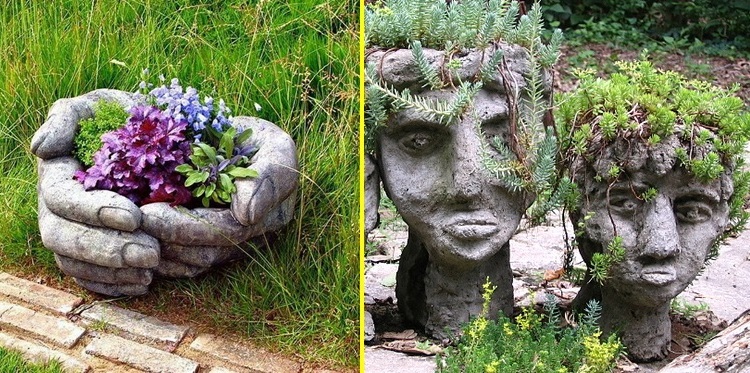
Looking for some interesting idea for the garden, preferably with the look of stone, but for a fraction of the actual price? Then you'll need hypertuf decorations. We also have three recipes for the mixture for you.
How to make your own artificial stone, or hypertufu
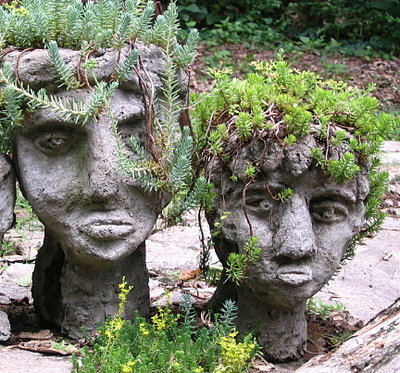
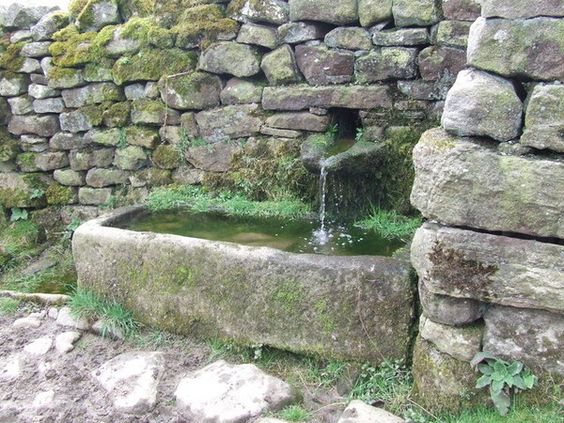
Originally, hypertufa came to us from England, where gardening is even more passionate than in our country. Originally, they were vessels that were supposed to replace the classic stone troughs. They're basically uneatable today. And if you get them, you won't pay. Therefore, the idea of a mixture that costs a pakatel was born, but looks as if it is a natural stone. Today, not only troughs and other vessels are made from this mixture, but also artificial stones and other decorations. Unlike ordinary concrete, they have a natural appearance.
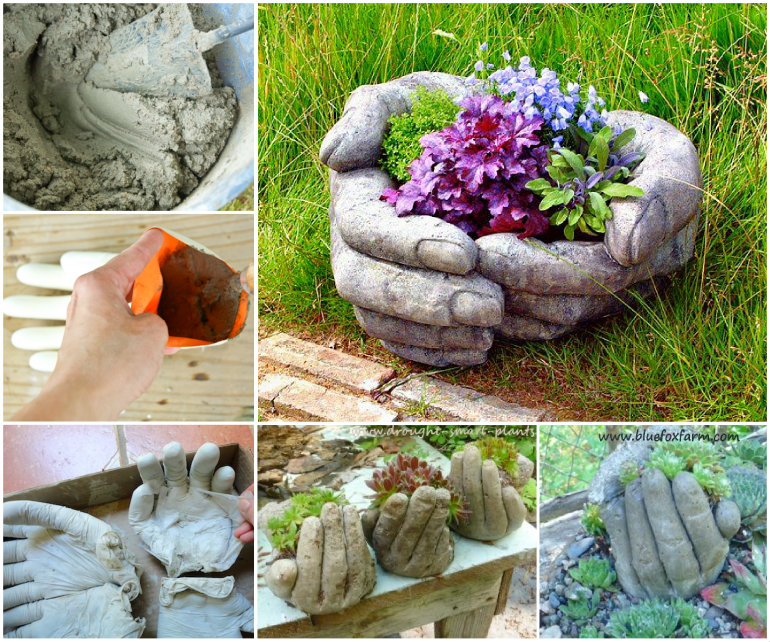
What can you use hypertufu for?Most often troughs and vessels are produced. To do this, you need a form, both external and internal. If you want a bigger one, make a formwork and then just put a large box or plastic bench or tray in it. For a smaller one, you only need two boxes of different sizes. You can help yourself by unloading the inside with foil or plastic so that the mixture is well peeled off the mold. There are several recipes. They are based on cement, peat (or other soil), sand or pearls and water. Add it carefully to hold the mixture together. A dryer mixture is better for making containers, the stones can be wetter. Consistency of cottage cheese is recommended. Put a lot of pressure on the material. The walls should not be thin, so as not to be ed.
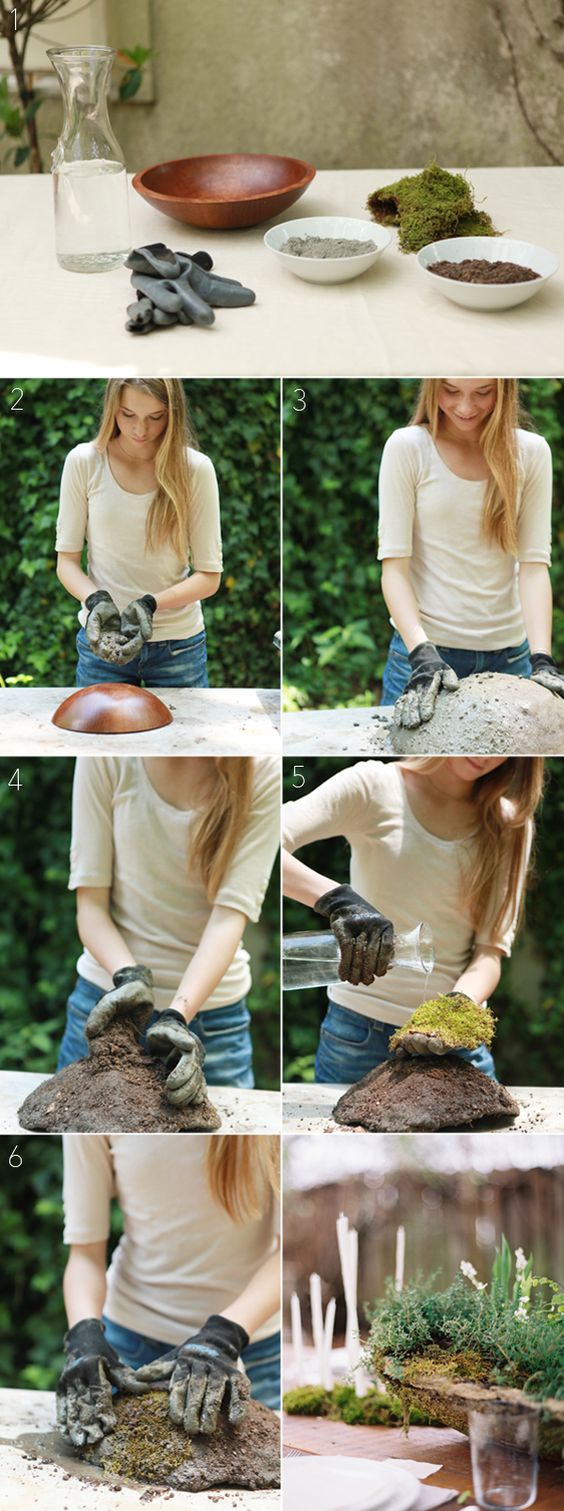
We bring you three recipes for homemade mixture. It is best to try the variants on a smaller piece and then find out which one suits you better.
1. 1 part cement – 1.5 parts sand – 2 parts peat
2. 1 part cement – 1 part sand – 1 part peat
3. 1 part cement – 1 part perlite – 1 part peat
When making co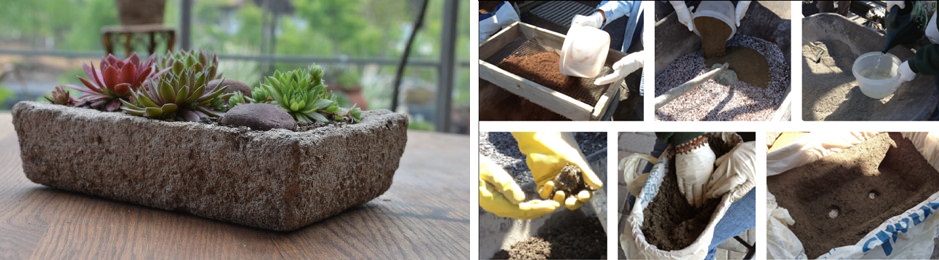

Where to go for raw materials

Cement can be found in hobby markets and construction plants, pearls and peat in horticulture, sand can be collected anywhere. Natural material is added for natural patina and more natural appearance. You can get all the raw materials and you can replace them in different ways.Instead of peat, you can add clay or needles. Perlite, in turn, replaces the bloated polystyrene. You can also add colors. Allow the mixture to dry for two to three days, then tip the work out of the mold and leave to dry somewhere outside the direct sun. With a brush, chisel or knife, you can add structure, or, on the contrary, smooth the walls.
For
If you love stones – both natural and artificial – as much as we do, be sure to miss our tips on how to use the stones in the garden.