
Have you decided to give pampered maids an open-air healing treatment this summer? If you make any of the following mistakes, they won't come home in health.
Like it or not, the home environment is not natural for flowers. Speaking of maids, it is necessary to remember that they originally grew outside in a warm climate, it blowed nicely around them, the air humidity was pleasant for them, and rain fell on them from the sky. At home, you can try as hard as you can, but they will never have ideal conditions. The days are shortened for half a year, in overheated apartments the humidity is low, they can only dream of fresh air and we do not always water them best. A lot of people want to give their flowers a little change and bring them out. But they often forget what needs to be watched.
When the water is too much
Plants usually need a moist substrate, but too much water can kill them very quickly. It's not raining much this year, but sometimes there's a storm. Then you need to check all the plants in containers that are not under the canopy and pour out the excess water. On hot days, water the plants carefully, preferably in the evening. Rainwater from the barrel is suitable. If you don't have it, take tap water the day before. This will significantly reduce the chlorine content. Do not forget every two weeks for a dose of fertilizer.

When the sun is too much
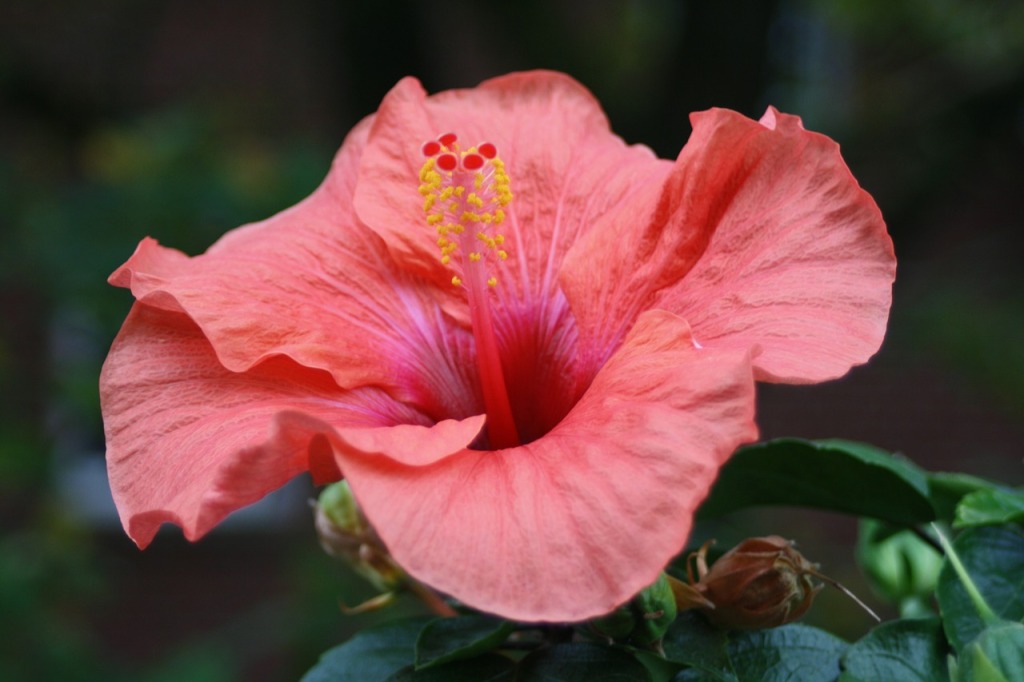
The big mistake is when you put the maids in the wrong place. Although they eagerly trap every ray of sunshine at home, it's different outside. Direct sunlight, especially on hot tropical days, is deadly for many plants commonly grown at home on the windowsill. Stay in full sun can handle cacti, citrus, yuka, drachna, aloe, palm trees, agave. On the contrary, the half shade will suit hibiscus, ficus, interior bonsai or gardenia. African violets, bromelias and orchids are not suited to flying at all. The shadow will appreciate the azaleas.
Pests do not sleep
Under the open sky for a summer apartment should wander only plants absolutely healthy and strong. Outside, they are waiting for a recovery course, but also an increasing number of pests. The most common are aphids, svils, mocholes, but he likes to take a picture of one of the lalokonos. A healthy and strong plant is much better at preventing pests. During flying, the plants need to be inspected regularly. Otherwise, pests will kill them for you. For example, the popular nettle extract, for which you can find instructions HERE, works preventively well. In case of minor infestation, rapeseed oil or tobacco extract will help. However, this needs to be rinsed from the plants. When returning home, take a good look at the plants so that you do not bring pests home. A good helper in this case is insecticidal spraying or granulate, which acts on multiple pests.